Auroville, India
Auroville Greenbelt Plan
Client: Town Development Council, Auroville, India
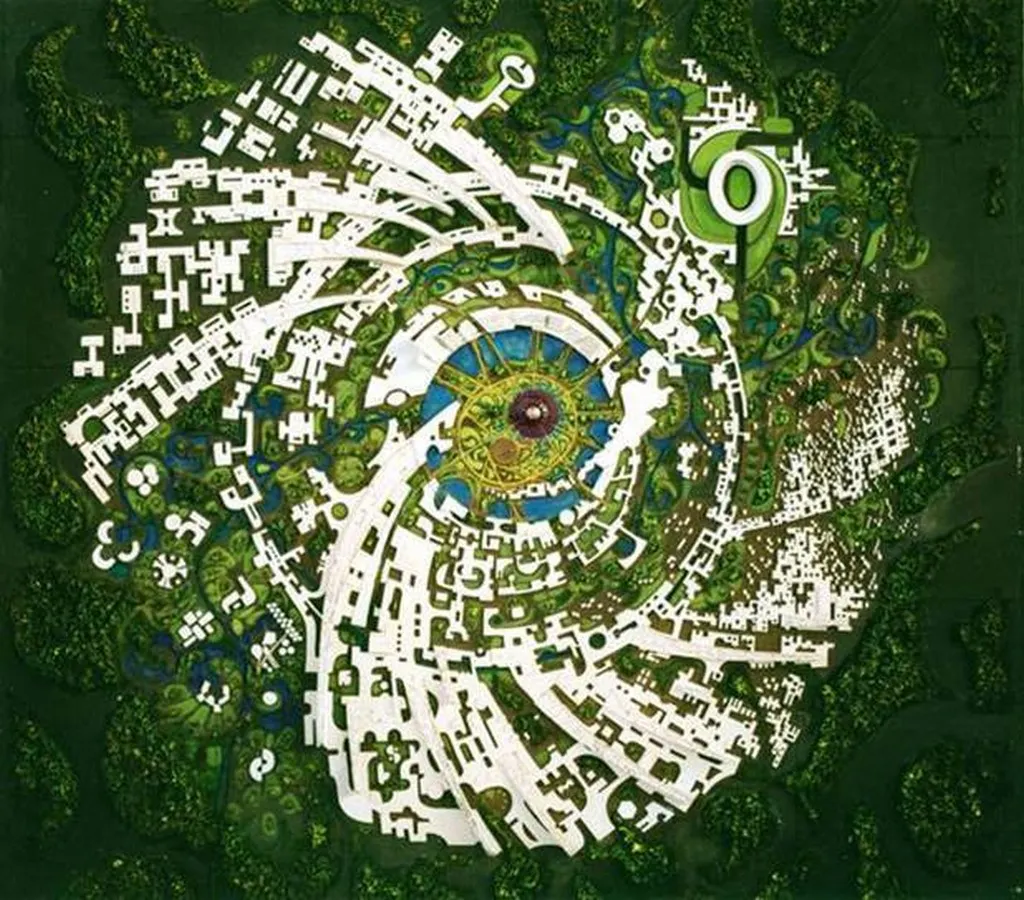
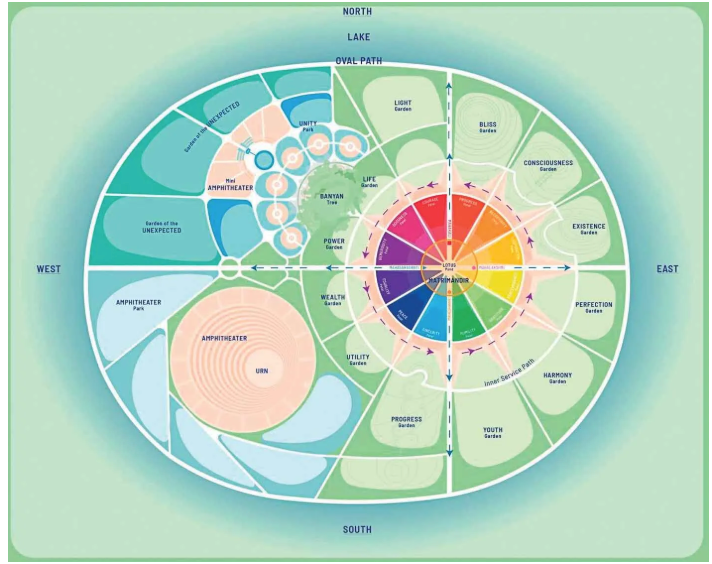
Auroville is a community under development on the upland overlooking the Bay of Bengal in South India. At its founding in 1968, it was a denuded and gullied wasteland with a small amount of seasonal farming. Auroville is a circle 5 km in diameter, proposed to become an intentional community of 50,000 surrounded by greenbelt. The Greenbelt Plan builds on the reintroduction of the native type of forest (about 3 million trees have been planted), managing the woodlands and agriculture for limited sustainable production of timber and ayurvedic medicines, organic farming and orchards. Special attention was paid to providing habitat for the returning native wildlife, managing the water table in the aquifer which is shared by more than 350,000 people in the region.
Costa Rica
Resort Community, Caribbean Coast
For StudioTEKA Design, Brooklyn, NY
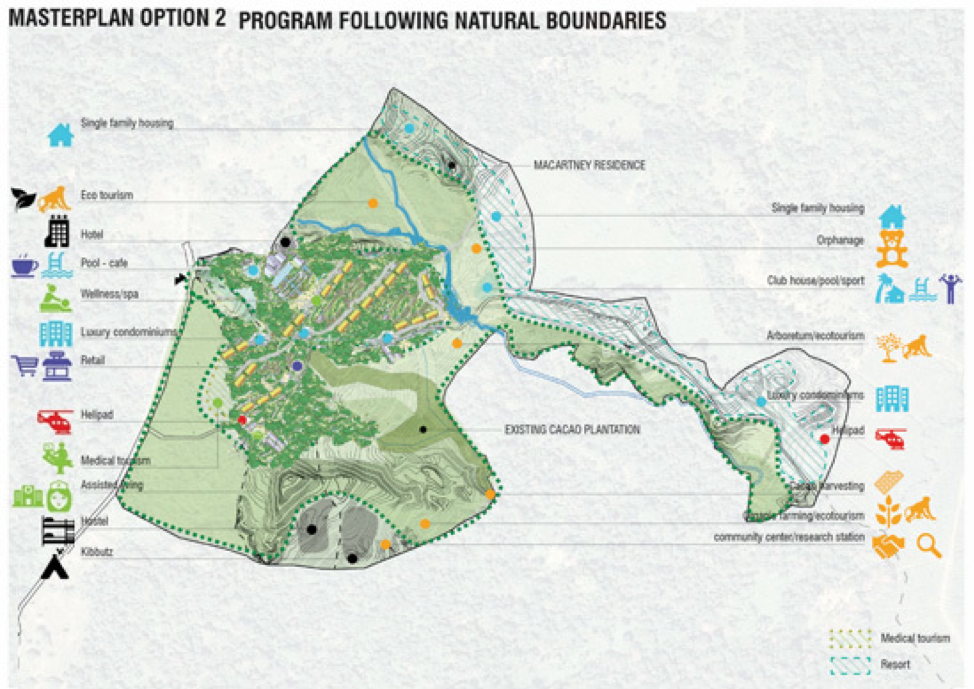
Design for a proposed resort community in Costa Rica overlooking the Caribbean Sea, located on a 112-acre site with views of the sea. There are several intermittent streams and a pond on the site, as well as a cacao plantation and tropical gardens nestled within the rainforest. The resort includes single-family villas and a condominium community set within a landscaped arboretum with hiking trails, an outdoor amphitheater, organic farming, and a wellness/yoga retreat center and spa linked with medical tourism and assisted-living.
New York City
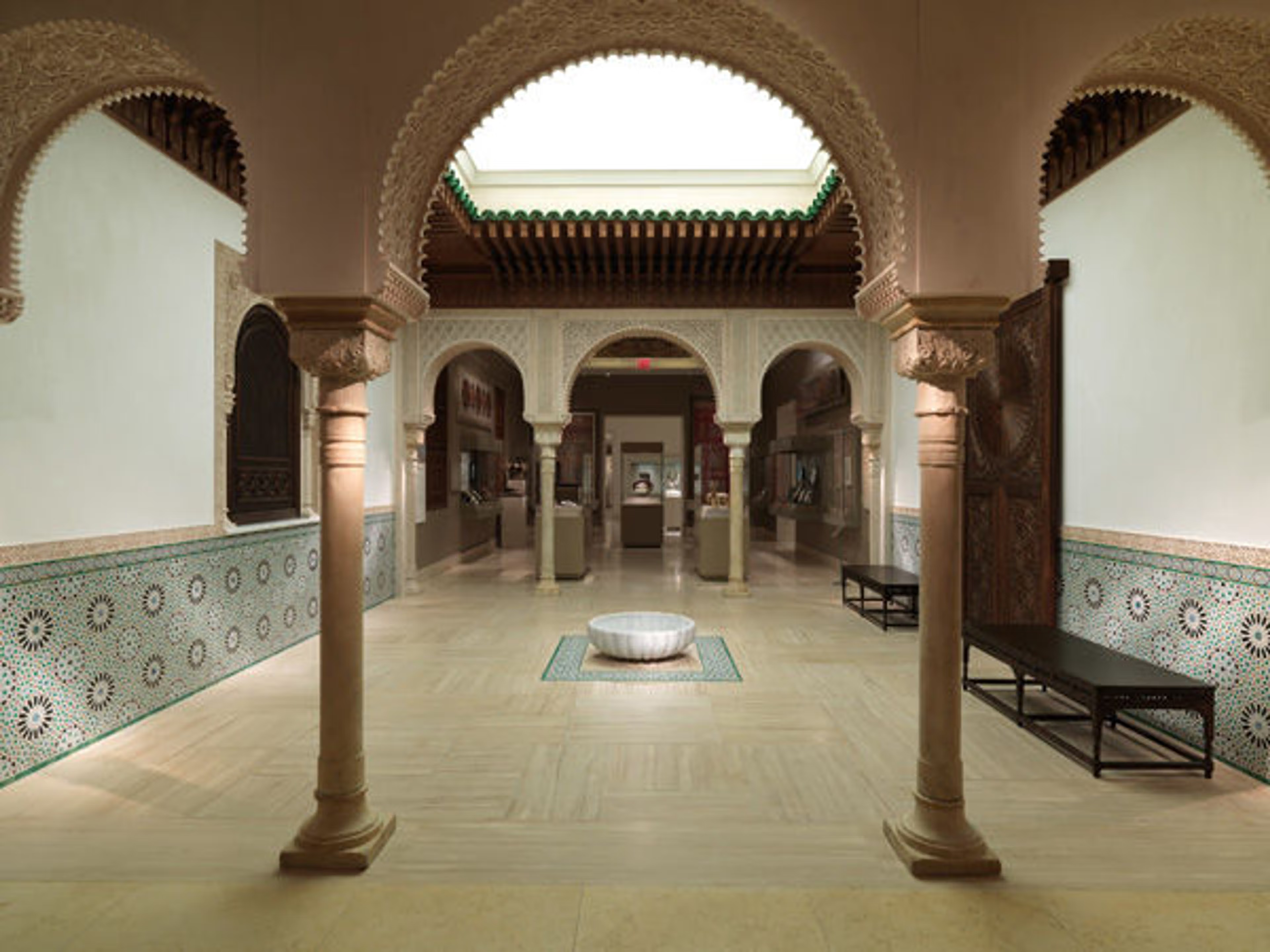
Moroccan Courtyard at The Metropolitan Museum of Art
Achva Benzinberg Stein designed and supervised the construction of a traditional 14th-century interior courtyard using classical Moroccan elements for permanent installation in a new Islamic Wing at the Metropolitan Museum of Art, in New York City.
Randy Kennedy, of The New York Times, writes: "With world attention focused on the Middle East, the courtyard has taken on an unforeseen importance for the museum; for the Kingdom of Morocco itself, which has followed the project closely; and for a constituency of Muslim scholars and supporters of the Met."
"The Moroccans, who are known for their restoration work on important mosques and other landmarks in the Middle East, are in essence living historians who have carried on patterns and designs preserved in practice for generations. But they have never attempted a job requiring this level of historical attention or artistry, one whose goal is to look as authentic to Moroccan eyes as to those of scholars."
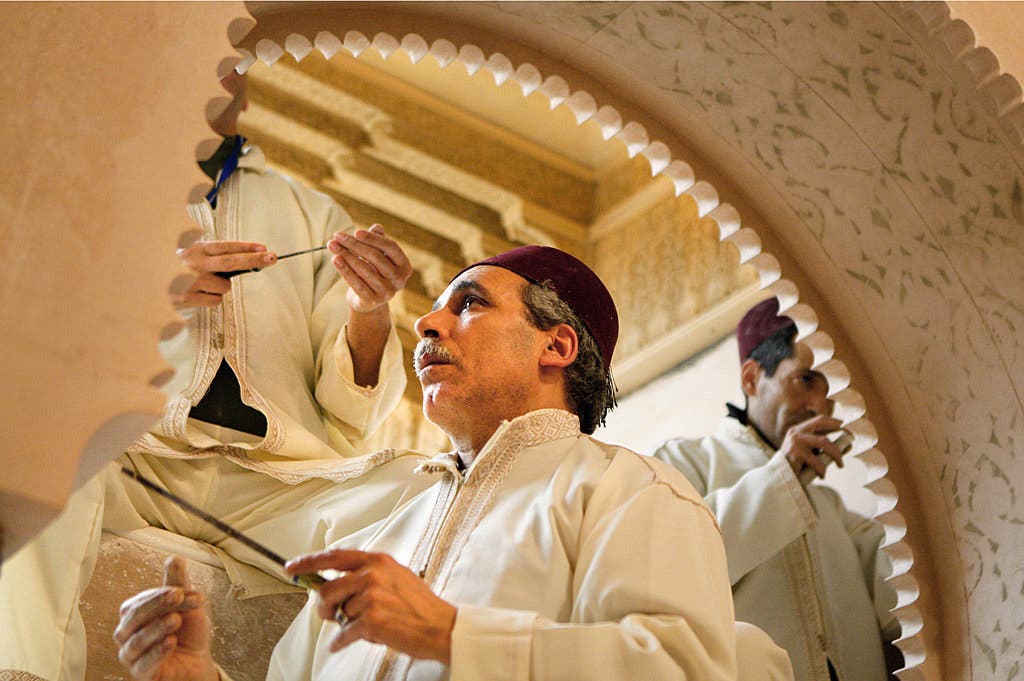
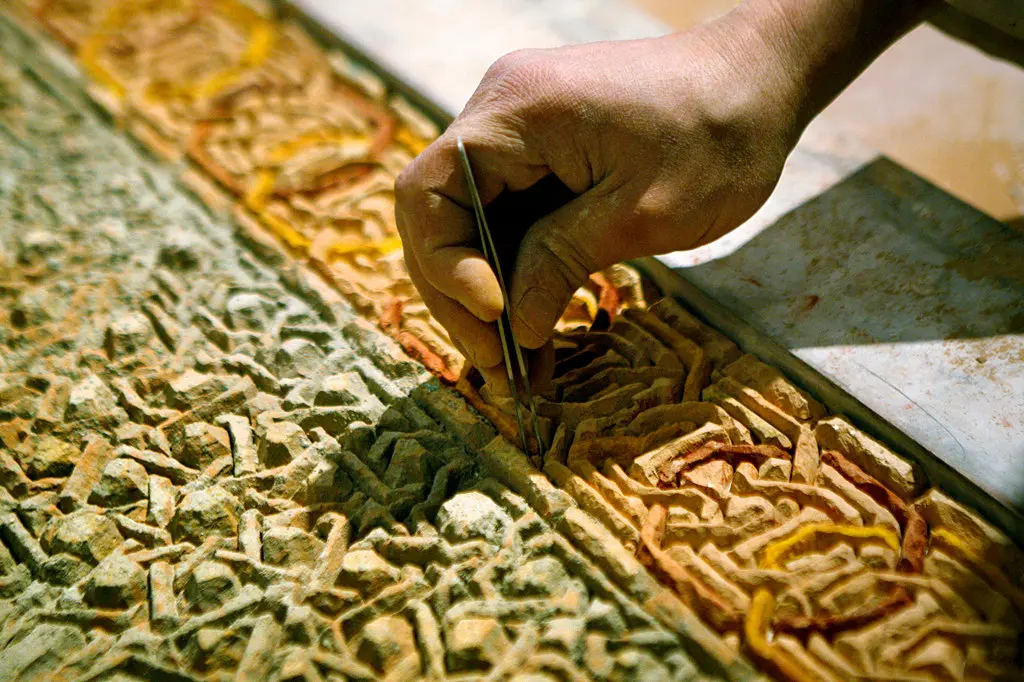
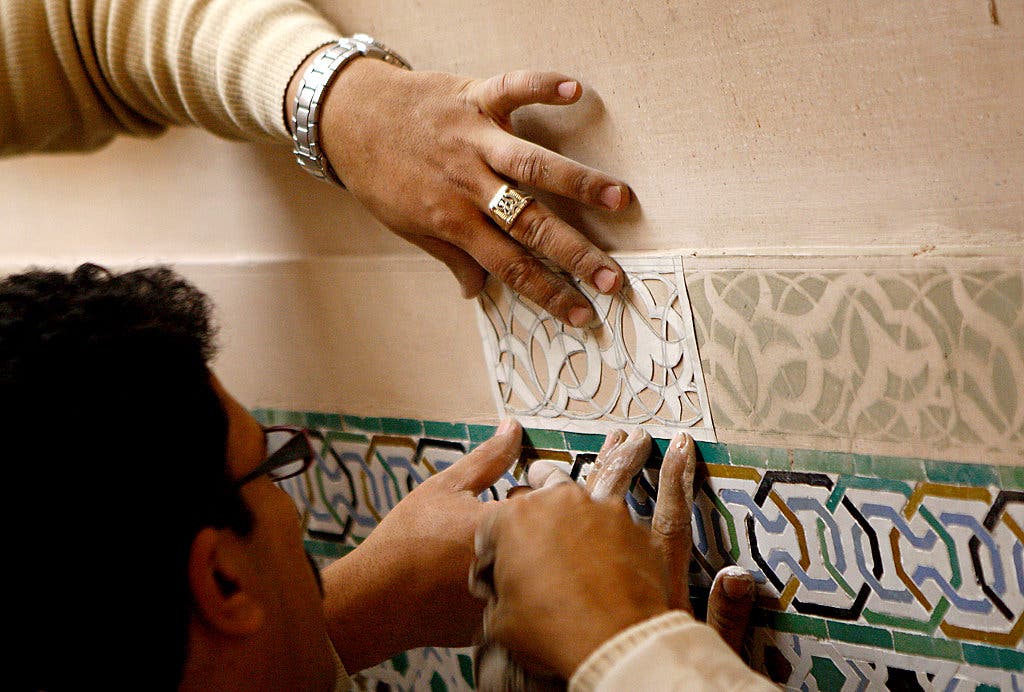
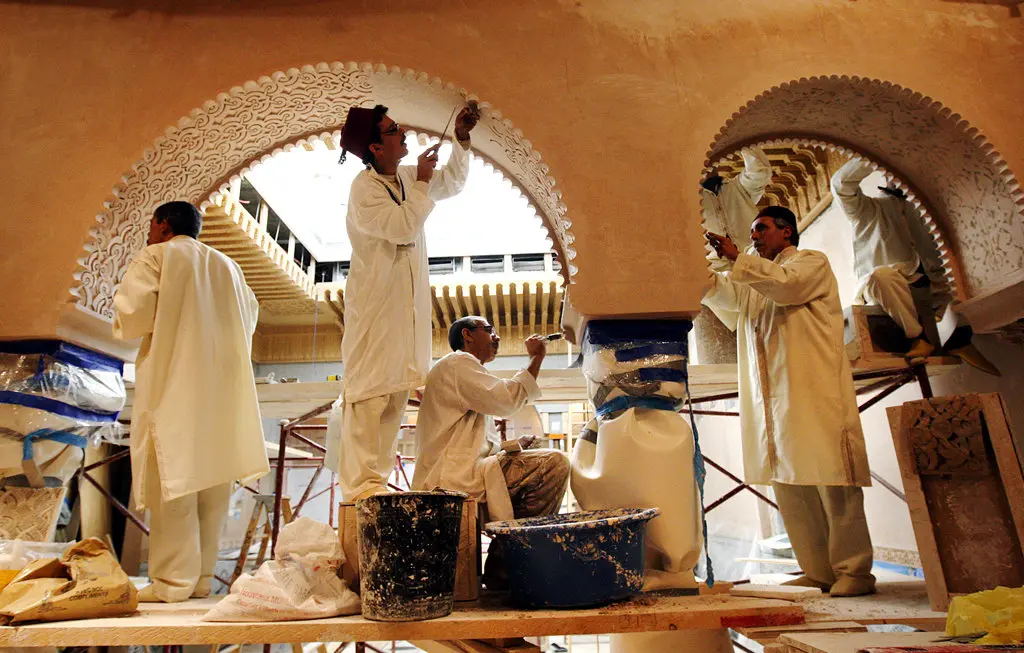
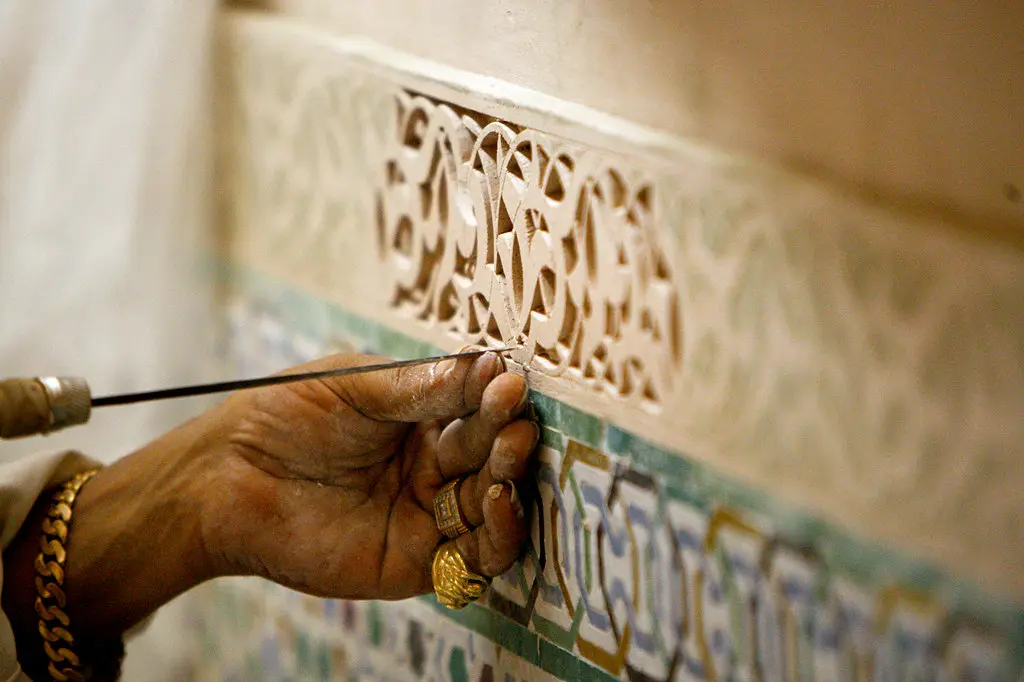
Abderrazak Bahij and other craftsmen from Morocco at work on the arches in a courtyard being created at the heart of the Islamic art galleries of the Metropolitan Museum of Art.
Photos: Ruth Fremson/The New York Times